

Attorney At Law
A collision with a commercial truck can leave an injured person wondering a basic but important question: Which insurance company is supposed to pay? The answer is not always found on a single insurance card. A tractor-trailer, delivery vehicle, or other commercial truck may be connected to several policies issued to different businesses or individuals.
When considering Chicago truck accident insurance coverage, the key issue is usually identifying which policies may apply to the particular driver, vehicle, company, and circumstances. A carrier may insure its operations, while a separate owner may insure the truck or trailer. Other coverage may apply when a driver is using the vehicle for personal reasons or when the responsible party lacks sufficient insurance.
This layered structure can make communications with insurers and claim evaluation more complicated. Vaziri Law provides general information about how these policies may fit together and what records can help organize the picture. This article explains the types of coverage that may be involved, how people can sort relevant information, and why policy questions often require careful review under Illinois law.
What Chicago Truck Accident Insurance Coverage May Apply?
Commercial trucking arrangements vary. One company may own the truck, another may lease it, and a separate business may control the trailer or delivery contract. The driver may be an employee, an independent contractor, or an owner-operator. Each relationship can affect which insurer receives a claim and how coverage questions are analyzed.
Common layers of coverage
Depending on the facts, a Chicago truck crash may involve:
- Trucking company liability insurance: A motor carrier may maintain coverage for accidents connected to its business operations. Whether it applies can depend on the driver’s status, the vehicle’s use, and the policy language.
- Owner or vehicle coverage: The company or individual that owns the tractor may have a separate policy. A trailer owner may also carry coverage that must be examined.
- Non-trucking or bobtail coverage: Some owner-operators have insurance intended for limited personal use when they are not operating under a motor carrier’s dispatch or authority. The boundaries of this coverage depend on the policy and the driver’s activity.
- Excess or umbrella insurance: A policy above a primary liability policy may become relevant if a claim exceeds the primary policy’s limits, subject to its terms and conditions.
- Uninsured or underinsured motorist coverage: An injured person’s own auto policy may provide potential protection in some situations, including when available liability insurance is insufficient. These provisions are fact- and policy-dependent.
Cargo insurance generally addresses damage to freight and is not automatically the same as liability coverage for a person’s bodily injuries or property damage. Identifying the correct policies is therefore more than collecting every insurance document; the purpose and terms of each policy matter.
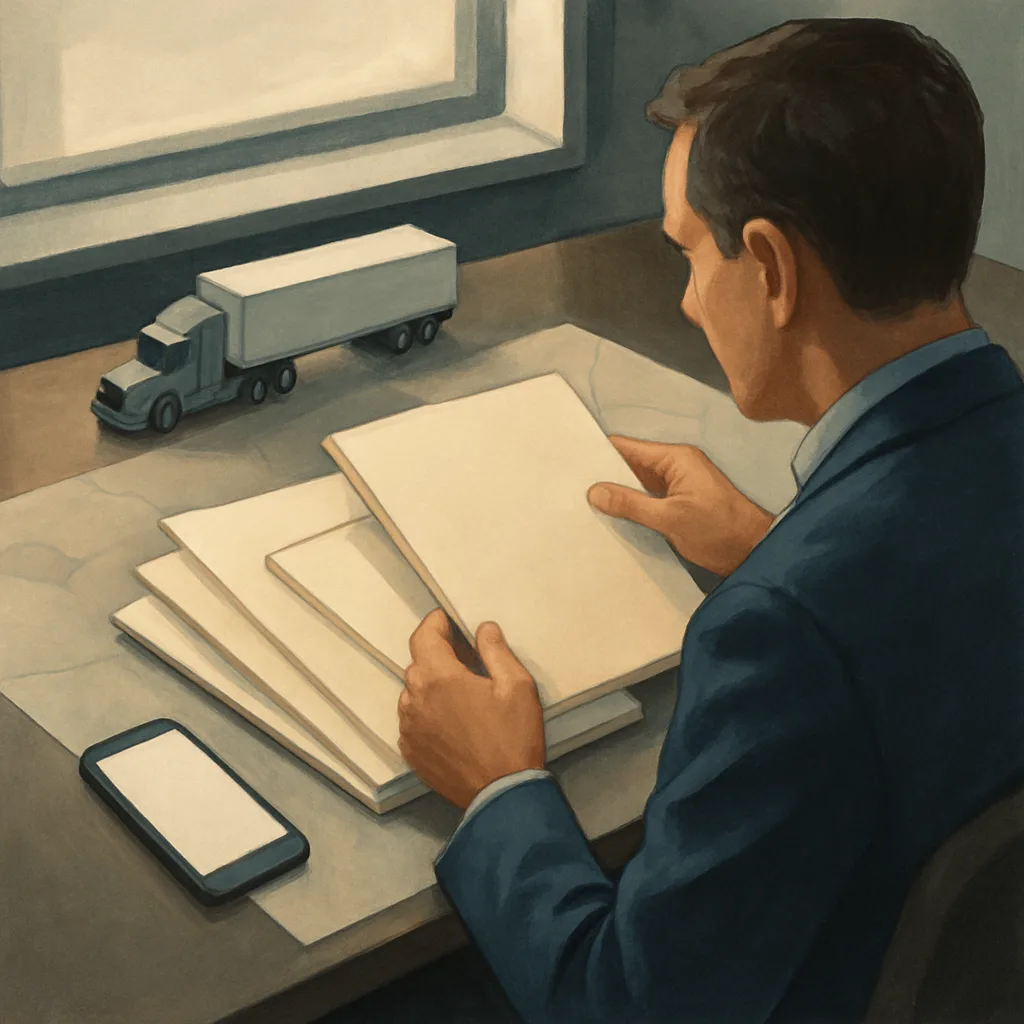
How to Organize Multiple Insurance Policies After a Chicago Truck Crash
After a collision in Chicago, several insurers may contact people involved or may be identified through the trucking company, police materials, vehicle records, or other documents. An insurer’s involvement does not, by itself, establish that its policy provides coverage or that the insurer accepts responsibility. Coverage and liability are separate questions.
A useful organizational file may include:
- Crash information: Keep the date, approximate location, responding agency information, report number if available, photographs, witness details, and information exchanged at the scene.
- Vehicle and company details: Record the truck’s plate information, unit or trailer identifiers, visible company name, driver information, and the names of businesses involved in the shipment or delivery.
- Insurance communications: Save letters, claim numbers, emails, voicemails, and the names and contact information of adjusters. Note the date and substance of each conversation.
- Medical and wage records: Preserve bills, treatment records, work absence documentation, and other loss records. Avoid assuming that an insurer’s request for records determines what is legally recoverable.
- Your own policy information: Keep your declarations page and policy correspondence available because uninsured or underinsured motorist provisions may be relevant in some cases.
In Chicago, an Illinois traffic crash report may provide useful identifying information, but it may not list every potentially applicable policy or resolve coverage disputes. Businesses may also have separate contracts, leases, and insurance arrangements that are not apparent at the scene. An attorney reviewing a commercial truck accident insurance claim in Illinois may investigate those relationships and compare them with the applicable policy language.
Common Coverage Mistakes and the Claim Review Process
One common mistake is assuming that the first insurer to call is the only insurer involved. Another is treating a driver’s statement about employment or insurance as conclusive when the legal relationships may be more complicated. People can also overlook their own potential uninsured or underinsured motorist coverage while focusing only on the truck’s insurer.
Generally, a coverage review may involve these questions:
- Who owned the truck and trailer at the time of the crash?
- Which company dispatched, leased, hired, or controlled the vehicle or driver?
- Was the driver working, traveling to a job, making a delivery, or using the truck personally?
- Did the vehicle have separate primary and excess policies?
- Does a policy contain exclusions, conditions, or notice requirements that affect the claim?
- Were other vehicles, drivers, or parties involved in causing the collision?
Insurers may request recorded statements, medical authorizations, employment information, or other documents. Depending on the circumstances, an attorney may advise on how to respond and whether a request is appropriately limited. A person should also be cautious about signing a release before understanding whether it resolves claims against one insurer, one party, or all potentially responsible parties.
Illinois deadlines can affect personal injury claims, and different claims may involve different rules. Laws and policy provisions vary by jurisdiction and may change. A timely review can help identify issues before records disappear or communications become difficult to reconstruct, without assuming that any particular policy will ultimately pay.
Frequently Asked Questions
Does a truck accident always involve the trucking company’s insurance?
Not necessarily. The trucking company may have an applicable liability policy, but ownership, leasing, dispatch, employment, and vehicle-use facts can affect coverage. A truck may be operated under an arrangement involving an owner-operator, a motor carrier, or multiple businesses. The policy language and the facts of the crash must be reviewed before determining which insurer may have duties under Illinois law.
Can my own auto insurance matter after a commercial truck crash?
It may. Depending on the policy and the circumstances, uninsured or underinsured motorist coverage may provide a potential source of compensation when the responsible vehicle has no insurance or insufficient limits. The availability and scope of that coverage depend on the policy, the people insured, and the facts. An attorney licensed in Illinois can explain how those provisions may relate to a particular claim.
What if an insurance adjuster asks me to sign a release?
A release may limit or end claims against the parties or policies described in the document. Its effect depends on its wording and the surrounding circumstances. Before signing, a person may wish to understand what claims, insurers, and parties the document addresses, particularly if multiple policies or unresolved medical issues are involved. Legal guidance can help clarify the document’s potential implications.
How can I find out which policies covered the truck?
Some information may appear in the crash report, vehicle documents, communications from insurers, or records provided by the trucking company. However, the complete insurance structure may require reviewing ownership, leasing, employment, dispatch, and contract records. A lawyer evaluating a truck accident claim in Chicago may use those records, along with policy documents, to identify potentially relevant coverage without presuming that every identified policy applies.
How Vaziri Law Can Help
Vaziri Law is dedicated to helping injured people understand the insurance and liability issues that can follow a commercial truck collision. The firm can evaluate the available information, help organize communications and records, and investigate the relationships among the driver, trucking company, vehicle owner, trailer owner, and insurers. Vaziri Law is committed to fighting for clients’ rights while explaining the uncertainty that can accompany layered coverage disputes.
If you or a family member was injured in a truck crash, contact Vaziri Law for a free consultation or case evaluation. The firm is ready to evaluate your situation and discuss potential legal options.
The information in this article is for educational purposes only and does not constitute legal advice. Contact a qualified attorney licensed in Chicago, IL for advice specific to your situation.