
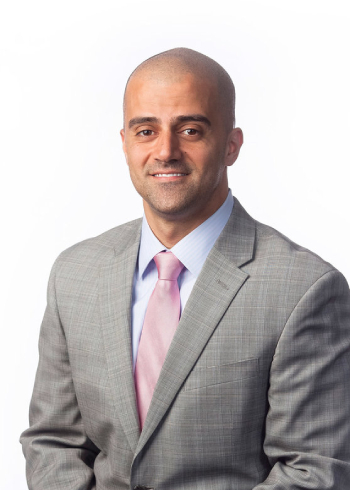
Attorney At Law
A crash can leave a motorcyclist dealing with emergency care, repair estimates, police questions, and uncertainty about what happened. Then an insurance adjuster calls and asks for a recorded statement. The question of a Chicago motorcycle accident insurance recorded statement is important because an early account may be taken before the rider knows the full extent of an injury or has reviewed all available evidence.
Generally speaking, a rider does not have to treat every insurance call as routine. The response may depend on which insurer is calling, the applicable policy language, and whether the request concerns liability, medical treatment, or coverage. Vaziri Law can help Chicago riders understand the issues before they communicate with an insurer. This article explains how to identify the caller, why timing matters, what information can be provided without speculation, and when legal guidance may be useful. It is not a substitute for advice about a particular crash.
If you are deciding how to respond to an insurance request, Chicago motorcycle accident lawyers may be able to review the situation and explain available options before a recorded conversation takes place.
Should You Give a Chicago Motorcycle Accident Insurance Recorded Statement?
A recorded statement is an interview preserved in audio or another recorded format. An adjuster for the other driver’s insurer may seek one to learn the rider’s version of events. The adjuster may ask about speed, lane position, traffic signals, visibility, protective equipment, the motorcycle, prior symptoms, and what happened immediately before impact.
Identify the caller and the purpose
Before answering detailed questions, a rider may reasonably ask for the caller’s name, insurance company, claim number, phone number, and the reason for the request. It is also important to determine whether the person represents the at-fault driver’s insurer, the rider’s own carrier, a motorcycle owner, or a rental company.
A request from the other driver’s insurer is different from a communication governed by the rider’s own policy. Depending on the policy, an insured may have duties to provide notice and cooperate with the carrier. That does not necessarily mean the rider must guess, adopt the adjuster’s conclusions, or describe medical facts that are not yet known.
Why timing matters
Early in a claim, the investigation may be incomplete. A rider may not yet have obtained traffic-camera footage, witness information, photographs, a crash report, vehicle data, or complete medical records. Treatment may also be ongoing. The guide to Chicago motorcycle claims provides broader context about preserving evidence and evaluating a claim.
A rider can often ask what topics the insurer wants to cover and whether the request can be postponed while the rider seeks guidance. That is different from ignoring the insurer. Prompt notice and careful communication may both matter. The motorcycle crash claim timeline also shows why an early call may occur before liability and damages are fully understood.
What Should You Tell an Insurance Adjuster After a Chicago Crash?
The safest general approach is accuracy without speculation. A rider can describe what they personally saw, heard, and experienced. If the rider does not know an answer, saying so may be more reliable than filling in a gap from memory or accepting a leading suggestion.
Useful communication principles include:
- Confirm basic identifying information, such as the date, general location, vehicles involved, and whether emergency services responded.
- Describe observed facts rather than legal conclusions about who was at fault.
- Avoid estimating speed, distance, timing, or visibility unless the estimate is based on a clear personal observation.
- Do not guess about another driver’s intent, distraction, impairment, or state of mind.
- Explain current medical care accurately without predicting a diagnosis, recovery time, or future treatment.
- Review any request involving photographs, medical authorizations, vehicle inspections, or recorded audio before agreeing.
Discussing symptoms and treatment
A rider should not minimize symptoms simply because they seemed manageable immediately after the collision. Some conditions may become apparent or more significant during follow-up care. At the same time, the rider should not claim a diagnosis that a medical professional has not made or state that an injury is permanent without a factual basis. Information about delayed motorcycle injuries in Chicago may help explain why early medical descriptions can change as evaluation continues.
When the rider’s own insurer calls
The rider’s own carrier may be handling first-party benefits, uninsured motorist coverage, underinsured motorist coverage, or another policy issue. Policy language may impose notice or cooperation requirements, and those terms can differ. A rider who is communicating with their own carrier may wish to review the policy and understand the purpose of the interview first. Coverage questions may also arise in a Chicago motorcycle uninsured motorist claim.
Common Mistakes During a Recorded Statement After a Motorcycle Crash
A recorded statement can become one piece of the claim file. It may later be compared with a crash report, photographs, witness accounts, medical records, repair evidence, and other materials. In Chicago, an adjuster’s early description is not necessarily the final account of a disputed collision.
Common problems include:
- Assuming the caller is neutral. An adjuster may be gathering information for an insurer with financial interests in evaluating the claim. That does not mean the adjuster is acting improperly, but it does mean the rider should understand who is requesting the statement.
- Agreeing to a convenient conclusion. Questions about lane position, right of way, braking, or speed may invite an answer that goes beyond what the rider remembers. A careful response can distinguish personal knowledge from uncertainty.
- Speculating about fault. Statements such as “I must have been speeding” or “the other driver probably never saw me” may be inaccurate. A rider can explain the known sequence without making unsupported conclusions.
- Declaring the injuries resolved. A quick improvement does not necessarily establish that no further evaluation is needed. Medical information should be described accurately and updated as appropriate.
- Failing to preserve communications. Keeping claim numbers, emails, letters, photographs, and notes about calls can help organize the claim. A rider should also avoid deleting relevant messages or posting statements about the crash online.
A crash report may contain observations, diagrams, or statements that do not capture every detail. If the report or an adjuster’s account conflicts with the rider’s recollection, challenging a Chicago motorcycle crash report may be one issue to discuss with counsel. Illinois fault and insurance questions can be fact-specific, and laws and policy terms may change.
Special issues involving a borrowed or rented motorcycle
The insurer may ask who owned the motorcycle, whether the rider had permission, who rented it, and what policies might apply. Those are important coverage questions, but the rider should avoid guessing about policy terms or making assumptions about responsibility. For a motorcycle that was not owned by the injured rider, information about insurance coverage for rented or borrowed motorcycles in Chicago may be relevant.
Frequently Asked Questions
Can an insurance adjuster require a Chicago rider to give a recorded statement?
The answer may depend on which insurer is calling and what the applicable policy says. An opposing driver’s insurer generally has a different relationship with the injured rider than the rider’s own carrier. A policy may contain notice or cooperation provisions, but those provisions do not make every question easy to answer. A licensed Illinois attorney can review the request and policy language in light of the crash facts.
What if I already gave a recorded statement after my motorcycle crash?
Do not assume that one conversation decides the claim. Write down what you remember about the call, including the date, caller, topics, and any documents requested. Preserve related emails and messages. If you later remember an important detail or discover that an answer was incomplete, an attorney may help evaluate how to address the issue without creating additional confusion.
Should I discuss a motorcycle crash on social media?
Public posts, photographs, comments, and messages may be viewed in connection with an insurance or injury dispute. A post intended to be casual could be read without its full context. Generally, it is prudent to avoid discussing disputed facts, blame, symptoms, or recovery publicly while a claim is being evaluated. Existing content should not be deleted without understanding possible preservation obligations.
Does Illinois law set a deadline for a motorcycle accident claim?
Illinois deadlines can depend on the type of claim, the parties involved, and other facts. Different rules may apply to claims against governmental entities or to particular coverage disputes. Because laws and deadlines may change and missing one can affect legal rights, a rider should seek advice from an attorney licensed in Illinois about the specific circumstances rather than rely on a general article.
How Vaziri Law Can Help
Vaziri Law is dedicated to helping injured Chicago riders understand the insurance and evidence issues that may follow a motorcycle collision. The firm can evaluate who is calling, review available policy information, discuss how medical treatment and disputed facts may affect the claim, and help a rider understand communication options. Its approach is focused on careful fact development rather than premature conclusions about liability or damages.
If an insurer has requested a recorded statement, or if you are uncertain what to tell insurance after a motorcycle accident, contact Vaziri Law for a free consultation or case evaluation. The firm is committed to fighting for clients’ rights while helping them make informed decisions about the next step.
The information in this article is for educational purposes only and does not constitute legal advice. Contact a qualified attorney licensed in Chicago, IL for advice specific to your situation.